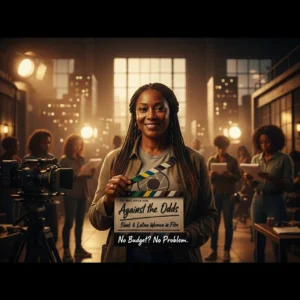
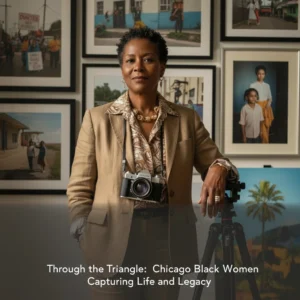
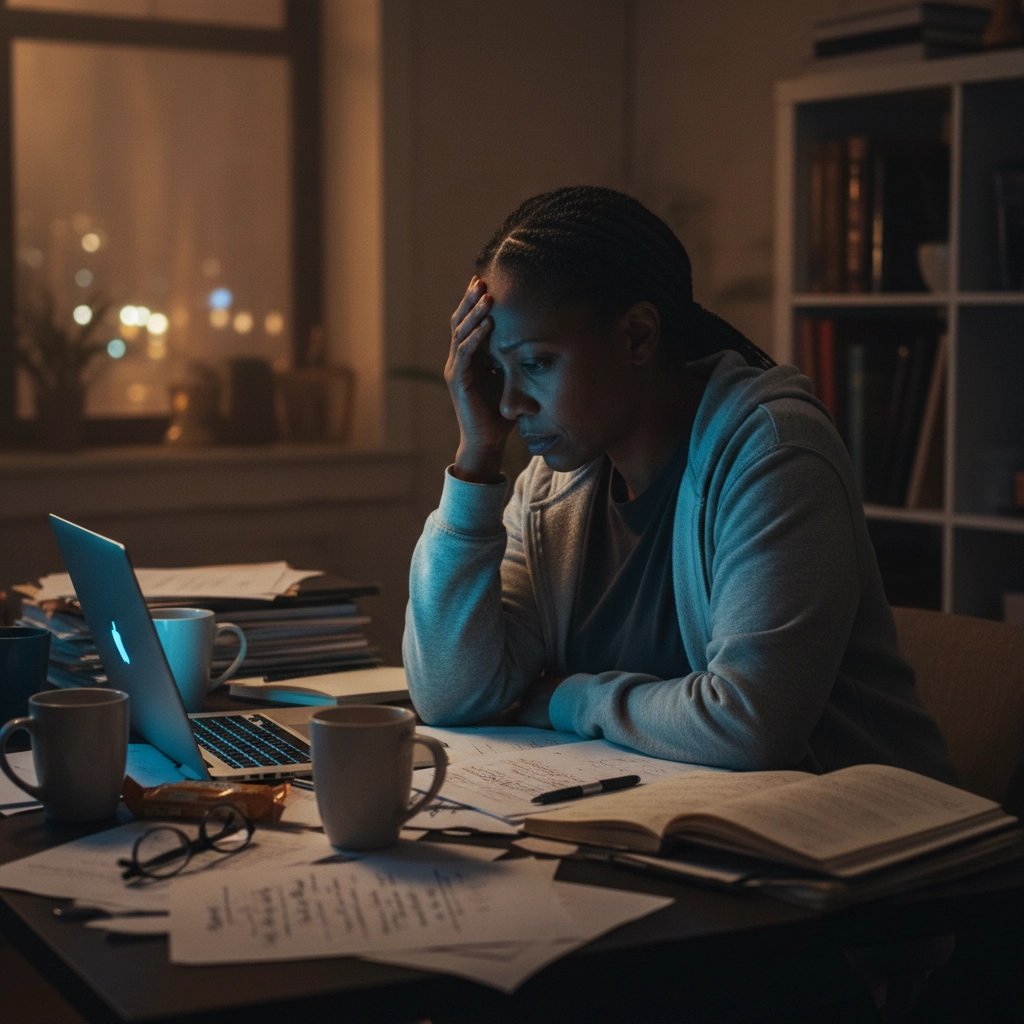
The dim glow of a laptop screen illuminates another sleepless night. Coffee cups accumulate on the desk as the cursor blinks on yet another funding application. This scene plays out in homes across America, where talented Black and Latina women pour their hearts into scripts that could change the world: if only they had the money to bring them to life.
Having a brilliant story isn't enough. The film industry's gates remain stubbornly closed to those without deep pockets or industry connections. Yet despite these overwhelming odds, remarkable women continue to break through, transforming their literary works into powerful films that resonate with audiences worldwide.
The Uphill Battle of Independent Filmmaking
The statistics are sobering. Less than 3 percent of mainstream movies employ female directors, and the disparity becomes even more severe for women of color. For every success story we celebrate, countless others remain trapped in development hell, their brilliant scripts gathering digital dust while bills pile up and dreams feel increasingly distant.
The financial reality is brutal. One Black filmmaker recently shared her stark truth: "I need to raise $99,000 for my first feature film. My colleagues are working full-time jobs as teachers, then coming home at night to revise their scripts to shoot this summer." This exhausting juggling act between survival and creative passion has become the norm rather than the exception.
Director Prado, who has devoted her career to telling stories of marginalized Latino women and children, knows this struggle intimately. "The number one challenge is fundraising," she explains. "At one point we didn't have any funding for eight months, and we had to let go of our entire team." The emotional toll of these setbacks extends far beyond finances: it challenges the very core of artistic identity and purpose.
Trailblazers Who Paved the Way
Despite these obstacles, several Black and Latina women have successfully transformed their written works into compelling films. Nia DaCosta, who directed "Little Woods" and the recent "Candyman" remake, began her journey with limited resources but unlimited determination. Her path wasn't linear: she faced numerous rejections and funding challenges before finding the right partners who believed in her vision.
Similarly, Erika L. Sánchez, whose novel "I Am Not Your Perfect Mexican Daughter" is being adapted for film, encountered the familiar struggle of translating literary success into cinematic opportunity. The book's critical acclaim and awards didn't automatically open Hollywood doors, requiring years of persistence and strategic networking to move the project forward.
These women didn't wait for permission or perfect circumstances. They created opportunities through sheer determination, building networks of support within their communities and finding alternative paths to traditional studio funding.
A Personal Journey of Persistence
I know this struggle intimately because I've lived it. For years, I've been trying to get my movie made, watching as GoFundMe campaigns and fundraising efforts fell short of the budget needed to pay filming crews and actors. The rejection emails blur together after a while, each one feeling like another door slamming shut.
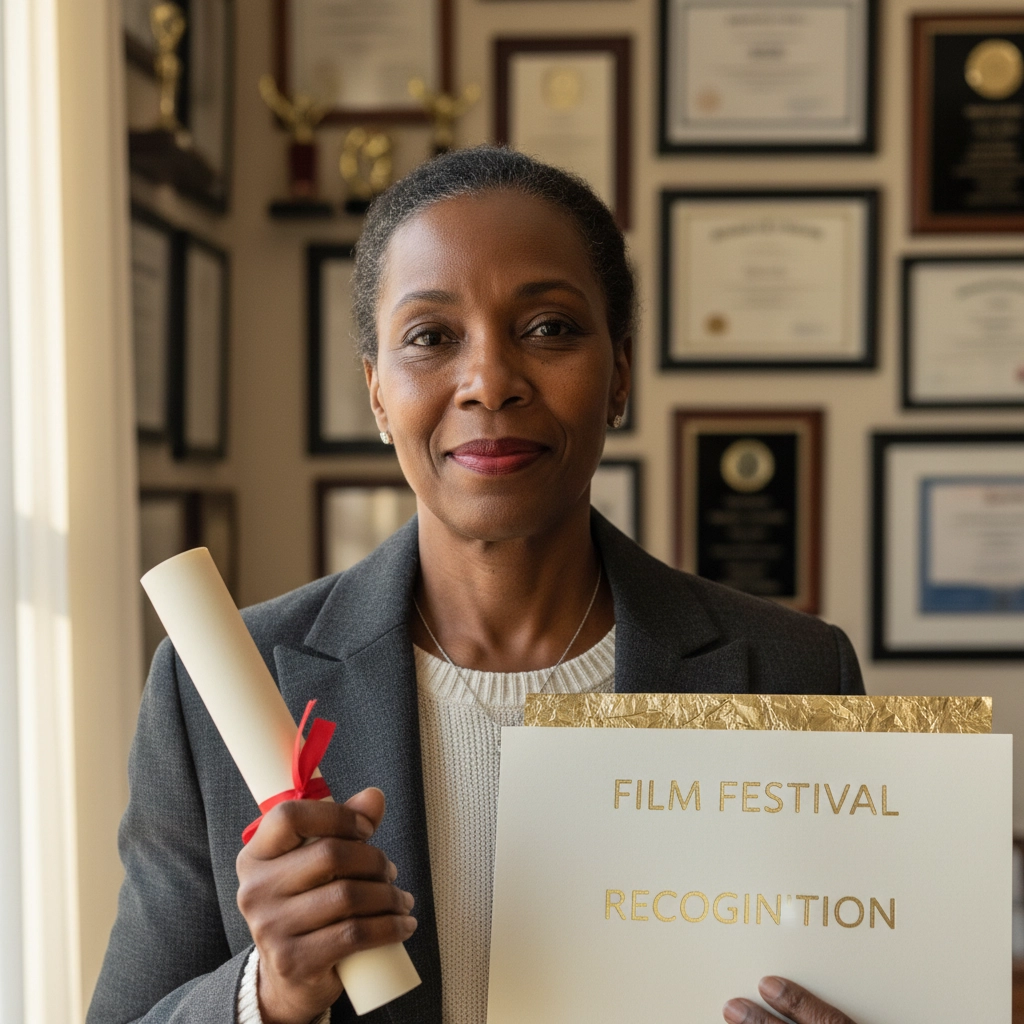
But then came the victories that reminded me why this journey matters. My book, 'Ruby's Diner,' won film festivals and is available online at Amazon, Spotify, Google Books, Goodreads, Audible.com, and other platforms. I also have other books I hope to put into production in the future—one step at a time.
Being a vendor at the Black Women's Expo in Chicago opened my eyes to the hunger in our community for authentic representation. Seeing my books find homes in the Chicago public libraries and surrounding areas proved that our stories matter to real people living real lives. Yet translating this literary success into film funding remains the mountain I'm still climbing.
The frustration is real. Having recognition from respected film festivals should open doors, but the budget barrier remains as imposing as ever. Every day brings the choice between giving up or finding another way forward. I choose to keep pushing, not just for myself, but for every creative who has ever felt this same crushing weight of unfulfilled potential.
A Dedication to Fellow Dreamers
This struggle isn't limited to filmmakers. Across every creative field: art, fashion, jewelry, music: talented individuals face the same fundamental challenge: how do you bring your vision to life when resources are scarce but passion runs deep?
To the artist working a day job to afford paints and canvases, I see you. To the fashion designer creating masterpieces in a cramped apartment, your dedication inspires me. To the jewelry maker hand-crafting pieces that tell stories of heritage and hope, your work matters. To every creative soul reading this while wondering if your dreams are worth the struggle, let me be clear: they are.
Your work will not go unnoticed. The path may be longer and steeper than we initially imagined, but every piece you create, every story you tell, every design you perfect adds something irreplaceable to this world. The industry may not be ready for us, but we're creating our own spaces, our own opportunities, our own definitions of success.
Organizations Leading the Change
Thankfully, we're not alone in this fight. Several organizations recognize the unique challenges facing women of color in film and actively work to level the playing field.
Sisters in Cinema is a Chicago-based organization supporting Black women and gender nonconforming filmmakers with fellowships, education, and community events. More info at sistersincinema.com.
Brown Girls Doc Mafia provides grants, resources, and a strong community for BIPOC women and nonbinary professionals in documentary filmmaking. More info at browngirlsdocmafia.org.
Kuumba Lynx empowers youth and underrepresented creatives, including Black and minority women, through arts workshops, performance, and cultural development. More info at kuumbalynx.com.
3Arts offers grants and resources for artists in Chicago, with programs such as Diverse Voices in Docs for filmmakers of color. More info at 3arts.org.
Women in Film Chicago supports women in the film industry with grants, networking, and workshops. More info at wifichicago.org.
Sundance Institute continues to be a beacon of hope for independent filmmakers. Their various labs and fellowship programs specifically seek out underrepresented voices. The Sundance Screenwriters Lab has been instrumental in launching careers and connecting emerging filmmakers with mentors and funding opportunities. Visit sundance.org to explore their current programs.
Film Independent offers year-round support through their Project Involve program, specifically designed to champion filmmakers from underrepresented communities. Their fiscal sponsorship program helps filmmakers access grants and donations while providing essential industry mentorship. Learn more at filmindependent.org.
The Cinereach Foundation focuses on supporting documentary and narrative films that explore complex social issues, with particular attention to projects by filmmakers of color. Their grant programs have funded numerous breakthrough films by emerging directors. Details are available at cinereach.org.
Women in Film maintains an extensive database of grants, fellowships, and funding opportunities specifically for women filmmakers. Their emergency fund has helped countless women weather financial crises while completing their projects. Visit womeninfilm.org for resources and networking opportunities.
Chicken & Egg Films supports women and gender-expansive documentary filmmakers globally by providing funding, mentorship, and strategic resources. Their programs include the Chicken & Egg Award, (Egg)celerator Lab for emerging filmmakers, and Research & Development grants, empowering filmmakers to tell impactful stories that drive change. Visit chickeneggfilms.org.
ETA Creative Arts Foundation is a prominent nonprofit dedicated to providing training, performance opportunities, and artistic development for the Black community. Based in Chicago, ETA offers theater, arts workshops, and youth programs, helping shape the local creative landscape for filmmakers, artists, and performers. Learn more and see their offerings at etacreativearts.org.
Practical Steps Forward
While the challenges are real, so are the opportunities for those willing to think creatively about funding and distribution. Crowdfunding platforms like Seed&Spark specifically cater to independent filmmakers and offer both funding opportunities and audience building tools.
Grant databases such as the Foundation Center provide searchable resources for arts grants, many specifically targeting women and minorities in film. State and local arts councils often have smaller grant programs that are less competitive than national opportunities but still provide crucial seed funding.
The rise of streaming platforms has also created new avenues for distribution that don't require traditional studio gatekeepers. Many successful filmmakers now bypass theatrical releases entirely, finding their audiences through digital platforms and film festival circuits.
Building a strong social media presence and email list allows filmmakers to maintain direct relationships with their audiences, creating communities of supporters who are invested in seeing projects succeed. This grassroots approach to marketing and funding has proven especially effective for filmmakers telling culturally specific stories.
The Power of Community
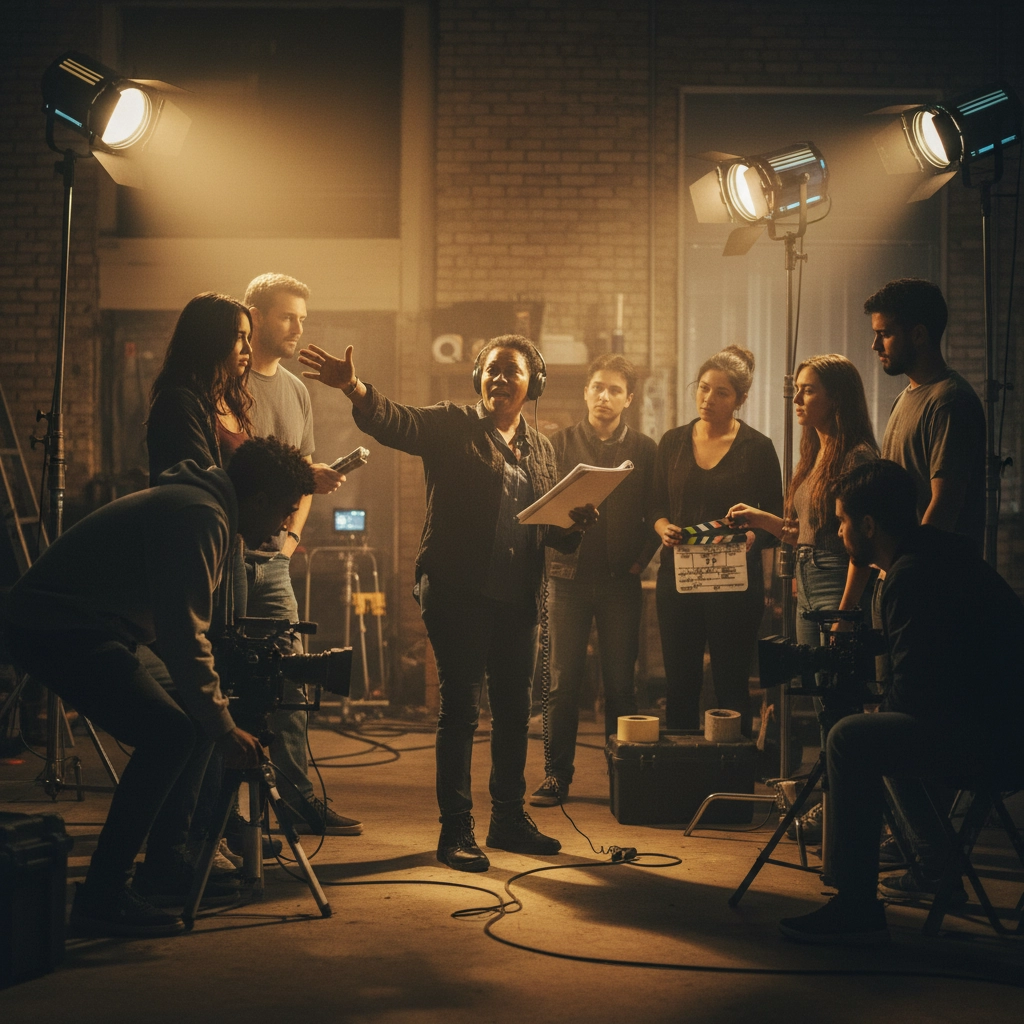
What strikes me most about successful women filmmakers of color is their commitment to lifting others as they climb. Director Prado, Snyder, and Galang all prioritize hiring female executive producers, editors, and cinematographers: creating a multiplier effect that expands opportunities within their networks.
This approach transforms individual success into community advancement. When we hire other women and marginalized artists, we create an ecosystem of support that strengthens everyone involved. The independent filmmaking community, particularly networks of women of color, provides emotional support and practical guidance that mainstream industry gatekeepers often withhold.
Mentorship relationships prove invaluable in navigating this complex landscape. As one filmmaker advised, "Find an indie filmmaker that you admire and ask questions" rather than pursuing only institutional routes. These personal connections often prove more valuable than formal industry programs.
Keep Creating, Keep Pushing
The system may be intentionally set up to exclude us, but that doesn't mean we stop creating. Every rejection teaches us something. Every small victory builds momentum. Every story we tell adds to the growing chorus of voices that cannot be ignored.
To my fellow creatives still fighting for recognition, funding, and opportunities: your passion is your power. Foster mentorships, invest in your stories, and remember that the beauty and pain of independent work is that you're not answering to anyone else's mandate. This freedom allows us to tell more nuanced stories about underrepresented people and to hire more marginalized artists behind the camera.
The path isn't easy, but it's ours to walk. Our work will not go unnoticed because we refuse to let it be overlooked. We're not just creating art: we're creating change, one story at a time.
Ready to capture your own creative journey? Whether you're documenting your artistic process or need professional headshots for grant applications, Hilson Photography understands the unique needs of creatives. Visit our services page to see how we can help tell your story through powerful imagery, or contact us to discuss your photography needs.